Source Windproof Waterproof Sports Jacket for Hiking, Cycling, and Running
Explore 30 listings for the windproof waterproof sports jacket suitable for outdoor activities. Buyers can compare features like breathability, customization options, and pricing across various models from Chinese manufacturers.
Key considerations
Products List


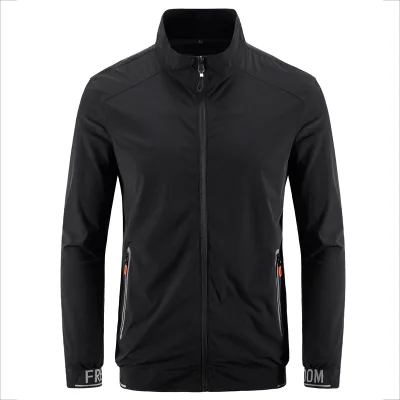


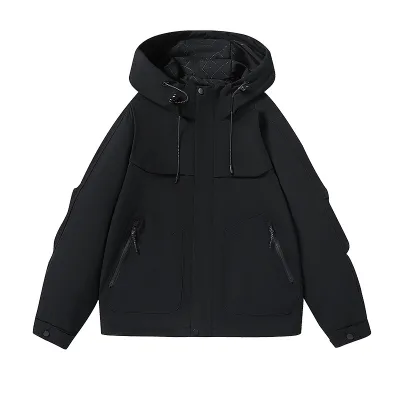
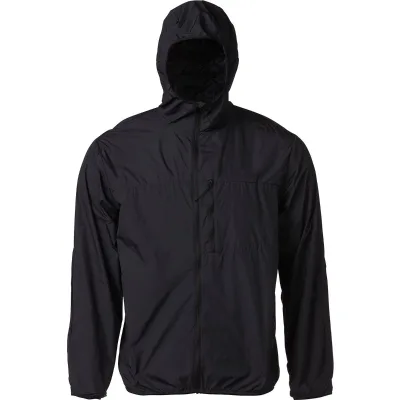


Comprehensive Sourcing Guide
Strategic Sourcing Guide for Windproof Waterproof Sports Jackets
Understanding Product Attributes and Technical Specifications
When sourcing windproof and waterproof sports jackets, buyers must first distinguish between the core functional requirements and the specific technical configurations available in the market. The primary objective is to secure garments that provide reliable protection against environmental elements while maintaining athletic performance. Based on current market observations, the most common material composition for these items is polyester, which offers a balance of durability, cost-effectiveness, and the ability to be engineered for water resistance.
A critical observation in the current supply landscape is the variation in seasonal positioning. While many listings explicitly categorize these jackets for "Winter," a significant portion is marketed for "Spring," "Autumn," or "Spring and Autumn" use. This distinction is vital for procurement planning, as winter-specific models often feature "Thickened" construction to provide insulation, whereas spring and autumn variants may prioritize breathability and lighter weight. Buyers should verify the intended seasonality of the product to ensure it aligns with the target climate of the end-user.
Size availability also varies significantly across different product lines. Some suppliers offer a standard range including Small, Medium, Large, Extra Large, and 2XL, while others provide extended sizing up to 4XL or even "Free Size" options. For adult demographics, which constitute the primary user base for these sports jackets, the availability of a comprehensive size chart is essential to minimize return rates and ensure proper fit. Additionally, specific product models such as "Molly1118," "Molly0801," "GJ250405," "JT25," "W05," and "290058" represent distinct design iterations that may feature different cuts, such as "Straight" form, or specific embellishments like "Belt" attachments.
The functional features listed in the market extend beyond basic wind and water resistance. Advanced specifications often include "Dust-Proof," "Breathable," "Anti-UV," and "Anti-Static" properties. The inclusion of "Reflective Strips" is another common feature, particularly for safety-conscious sports applications, enhancing visibility in low-light conditions. Buyers must evaluate which combination of these features is necessary for their specific use case, as adding more specialized attributes can influence the final cost and lead time.
Compliance, Certification, and Material Standards
Navigating the regulatory landscape is a fundamental step in B2B procurement, particularly when dealing with textiles intended for international markets. While specific certification statuses vary by supplier, the presence of recognized standards is a strong indicator of quality and compliance. In the current market, "REACH" certification has been identified as a relevant standard for certain product listings. REACH compliance ensures that the chemical substances used in the manufacturing process meet European Union safety requirements, which is often a prerequisite for selling in European markets.
Material composition is another area where verification is critical. The supplied data indicates that "100% polyester" is a standard specification for some models, while others simply list "Polyester" as the material. Buyers should request detailed material composition sheets to confirm the exact percentage of polyester and whether any other fibers, such as nylon or spandex, are blended to enhance stretch or durability. The "Standard" dimensions provided in some listings, such as "504535cm" or "25x30x10," likely refer to packaging dimensions rather than garment measurements, but they serve as a proxy for the volume and density of the product.
It is important to note that while "EN 343" is a recognized standard for protective clothing against rain, it appears in background knowledge rather than as a confirmed attribute for every listed product. Therefore, buyers should not assume that every windproof and waterproof jacket automatically meets EN 343 requirements. Instead, the procurement strategy must include a specific verification step where the buyer requests proof of compliance with relevant local or international standards. This may involve asking for test reports from accredited laboratories that verify the water column resistance and breathability ratings of the specific fabric used.
Furthermore, the "Customized" nature of labels and packaging is a common feature. This allows brands to apply their own logos and care instructions, but it also requires clear communication regarding the customization standards. The "Customized" label attribute suggests that the supplier is capable of producing private-label goods, which is a significant advantage for companies looking to build their own brand identity. However, this customization capability must be balanced with the supplier's ability to maintain consistent quality control across different batches.
Cost Drivers and Pricing Dynamics
The pricing of windproof and waterproof sports jackets is influenced by a complex interplay of factors, including material costs, production complexity, and order volume. The observed price range in the market spans from $2 to $57.54 USD, indicating a wide disparity in product quality, brand positioning, and feature sets. Lower-priced items typically correspond to basic polyester constructions with minimal additional features, while higher-priced items likely incorporate advanced technologies, such as enhanced waterproofing membranes, reflective safety elements, or specialized finishes like anti-static or anti-UV treatments.
Order Volume is a primary driver of unit cost. The Minimum Order Quantity (MOQ) observed in the market ranges from 50 to 1000 pieces, with a specific high-confidence fact noting an MOQ of 100 pieces for certain models. Suppliers often offer tiered pricing structures where the unit cost decreases as the order quantity increases. For buyers with smaller volume requirements, the higher per-unit cost may be offset by the lower capital outlay, but for large-scale procurement, negotiating a lower MOQ or securing volume discounts is essential.
Customization is another significant cost factor. Services such as "OEM" (Original Equipment Manufacturer) and "Customized" labeling add value but also increase the production cost. The extent of customization, such as the complexity of the design, the number of colors (e.g., Brown, Black, White, Navy, Gray, Light Blue), and the specific packaging requirements, will directly impact the final price. For instance, "One Piece One Polybag" packaging is more labor-intensive than bulk packing in cartons, which can affect the overall cost per unit.
Additionally, the origin of the product plays a role in pricing. Most listed products originate from "China," with specific mentions of "Ningbo" as a production hub. While this region is known for its efficient textile manufacturing, logistics costs and import duties can vary depending on the buyer's location. Buyers should factor in these logistical expenses when comparing the total landed cost of different suppliers. The "Spot" category availability suggests that some items may be ready for immediate shipment, potentially reducing lead times but possibly commanding a premium compared to made-to-order items.
Typical Applications and Use Cases
Windproof and waterproof sports jackets are versatile garments designed for a wide range of applications, from professional athletics to casual outdoor recreation. The "Adult" and "Men" or "Unisex" gender specifications indicate that these jackets are primarily intended for general consumer markets, but their functional attributes make them suitable for specific high-performance scenarios.
For outdoor enthusiasts, the combination of windproof, waterproof, and breathable features is essential for activities such as hiking, trail running, and camping. The "Thickened" variants are particularly suited for colder environments, providing necessary insulation during winter sports or early morning treks. Conversely, the "Spring and Autumn" models with lighter construction are ideal for transitional weather conditions where temperature regulation is key. The inclusion of "Anti-UV" properties makes these jackets suitable for high-altitude activities or extended exposure to sunlight, protecting the wearer from harmful radiation.
In the realm of safety and emergency services, the presence of "Reflective Strips" is a critical feature. These jackets are often utilized by cyclists, runners, and workers who operate in low-light conditions or near traffic. The "Dust-Proof" and "Anti-Static" features add another layer of utility, making these garments suitable for industrial environments or areas with high particulate matter. The "Straight" form and "Belt" embellishments can also be tailored to meet specific uniform requirements for corporate or team sports.
The "Disposable: Non-Disposable" attribute confirms that these are durable goods intended for repeated use, which is a key consideration for long-term procurement. This durability ensures that the investment in the jacket yields value over time, reducing the need for frequent replacements. The "Zipper" type closure is a standard feature that allows for easy adjustment and ventilation, further enhancing the jacket's adaptability to changing weather conditions.
Supplier Evaluation and Sourcing Strategy
Selecting the right supplier is paramount to ensuring product quality and meeting procurement timelines. The market offers a mix of suppliers with varying capabilities, from those offering "Spot" items to those specializing in "OEM" and "Customized" production. Buyers should prioritize suppliers who demonstrate transparency in their production processes and are willing to provide detailed product specifications.
When evaluating potential partners, it is crucial to verify their capacity to meet the required MOQs. The observed range of 50 to 1000 pieces suggests that suppliers cater to different market segments, from small startups to large retailers. Buyers should assess whether the supplier can scale production to meet future demand without compromising quality. The "Customization" attribute is a strong indicator of a supplier's flexibility, but it also requires a robust communication channel to ensure that the final product matches the buyer's design and branding requirements.
Geographic location is another factor to consider. With most products originating from "China" and specifically "Ningbo," buyers should be aware of the logistical implications of sourcing from this region. While the region offers competitive pricing and efficient manufacturing, buyers must factor in shipping times and potential customs delays. Establishing a clear relationship with the supplier regarding lead times and production schedules is essential to avoid disruptions in the supply chain.
Quality control should be a central part of the supplier evaluation process. Buyers should request samples to verify the actual quality of the materials, stitching, and functional features. The presence of certifications like "REACH" is a positive sign, but it should be complemented by on-site audits or third-party inspections to ensure that the supplier maintains consistent quality standards. The "Customized" label and packaging options also provide an opportunity to assess the supplier's attention to detail and ability to execute complex branding requirements.
Quality Control and Long-Term Procurement Considerations
Ensuring the long-term success of a procurement program for windproof and waterproof sports jackets requires a rigorous approach to quality control and relationship management. The variability in product attributes, such as size ranges, color options, and feature sets, necessitates a clear and detailed specification document that leaves no room for ambiguity. Buyers should establish a comprehensive quality assurance plan that includes pre-production sample approval, in-process inspections, and final random inspections before shipment.
The "Customized" nature of the products means that quality control must extend beyond the physical garment to include branding elements. This involves verifying the accuracy of logos, labels, and packaging instructions. The "One Piece One Polybag" or "Carton" packing standards must be strictly adhered to to prevent damage during transit and to ensure a professional presentation upon arrival. Any deviations from the agreed-upon specifications should be addressed immediately to prevent costly recalls or customer dissatisfaction.
Long-term procurement considerations also involve building a resilient supply chain. Buyers should diversify their supplier base to mitigate risks associated with production delays, raw material shortages, or geopolitical issues. Maintaining open communication with suppliers and fostering a collaborative relationship can lead to better pricing, improved lead times, and a willingness to accommodate urgent requests. Additionally, staying informed about industry trends and technological advancements can help buyers make informed decisions about future product lines and feature enhancements.
Finally, the environmental impact of the products should be considered. The "Sustainable" feature mentioned in some listings indicates a growing trend towards eco-friendly manufacturing. Buyers who prioritize sustainability should seek out suppliers who can demonstrate their commitment to environmental responsibility, such as using recycled materials or implementing energy-efficient production processes. This not only aligns with corporate social responsibility goals but also appeals to a growing segment of environmentally conscious consumers. By integrating these considerations into the procurement strategy, buyers can ensure a sustainable and successful sourcing journey for windproof and waterproof sports jackets.
Summary of Key Sourcing Parameters
To facilitate quick reference and decision-making, the following table summarizes the key parameters observed in the market for windproof and waterproof sports jackets. This overview highlights the variability in specifications and the critical factors buyers must address during the sourcing process.
| Parameter | Observed Range / Options | Procurement Action |
|---|---|---|
| Material | Polyester, 100% Polyester | Verify composition sheets; request fabric swatches. |
| Season | Winter, Spring, Autumn, Spring/Autumn | Match product to target climate; check insulation levels. |
| Size | S, M, L, XL, 2XL, 3XL, 4XL, Free Size | Confirm size chart accuracy; check for extended sizing needs. |
| Features | Windproof, Waterproof, Breathable, Anti-UV, Anti-Static, Reflective | Prioritize features based on end-use; verify specific claims. |
| MOQ | 50 - 1000 PCS (High confidence: 100 PCS) | Negotiate based on volume; assess flexibility for small orders. |
| Origin | China (Ningbo, Made in China) | Factor in logistics and import duties; verify factory location. |
| Certification | REACH (Confirmed), EN 343 (Background) | Request test reports; verify compliance with local regulations. |
| Packaging | Poly Bag, Carton, Customized | Define packaging standards; check for damage prevention. |
| Customization | OEM, Customized Label, Customized Standard | Provide clear design files; approve samples before mass production. |
By adhering to these guidelines and maintaining a disciplined approach to verification, buyers can effectively navigate the complexities of sourcing windproof and waterproof sports jackets, ensuring they receive high-quality products that meet their specific business needs.
FAQs
What customization options are available for windproof waterproof sports jackets?
Customization is available for labels, packaging, and OEM services. Buyers can request specific branding on labels and choose between poly bag or carton packaging to suit their brand identity and logistical needs.
Which seasonal variations exist for these jackets in the current market?
Jackets are available for Winter, Spring, Autumn, and Spring and Autumn use. Winter models often feature thickened construction for insulation, while other seasons prioritize breathability and lighter weight for transitional weather.
Can buyers find jackets with specific certifications like REACH?
Yes, some listings include REACH certification to ensure chemical safety compliance. Buyers should verify specific test reports for each model, as not all products automatically meet international standards like EN 343 without explicit confirmation.
What are the typical minimum order quantities for these jackets?
The observed minimum order quantity ranges from 50 to 1000 pieces, with some models requiring 100 pieces. Buyers should confirm the specific MOQ for their chosen model to ensure it aligns with their inventory planning.
How do material and feature specifications vary across different models?
Materials are typically 100% polyester, featuring windproof, waterproof, and breathable properties. Advanced models may include dust-proof, anti-UV, anti-static features, and reflective strips for enhanced safety and performance in various conditions.
Which product models are currently available with specific size ranges?
Models like Molly1118 and GJ250405 offer sizes from S to 4XL or Free Size. Buyers should check the specific size chart for each model to ensure the fit matches the target adult demographic requirements.
What packaging standards are used for shipping these jackets?
Packaging options include one piece per poly bag or bulk cartons. Some listings specify standard carton dimensions like 50x45x35cm, while others use customized packaging to optimize shipping volume and product protection.